
EMRA MobilEM
Emergency Medicine Residents' AssociationMedical
3.127.00 Reviews
- Version
- Varies With Device
- Installs
- 10.00K
- Age Rating
- Everyone
Screenshots
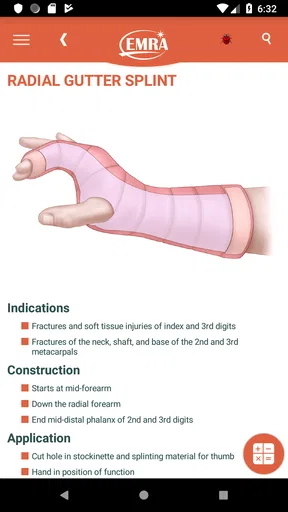
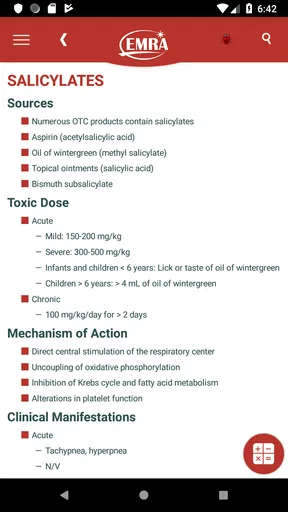
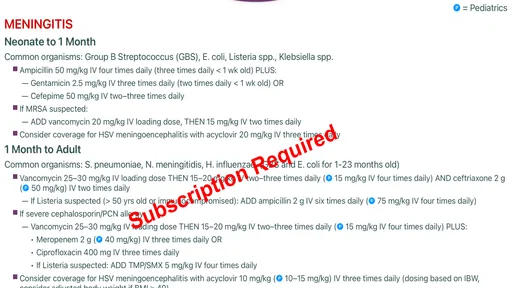
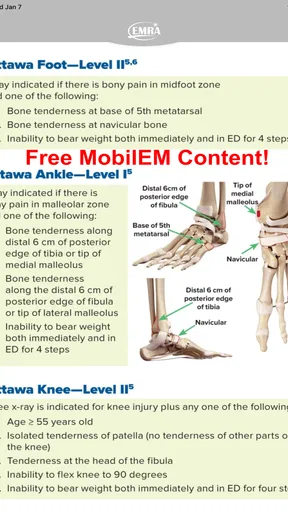
Our Review of EMRA MobilEM
 Analysis by Appyee
I judge a medical reference by what happens after its first useful lookup: does it become a dependable part of a working routine, or does it sit untouched once the initial curiosity wears off? EMRA MobilEM is aimed at emergency-medicine reference needs, where quick access matters more than browsing for its own sake. I find its strongest case is as a practical companion for people already learning or working in acute care, not as a substitute for clinical training, local protocols, or a clinician’s judgement.
Why it can click in the first week
The appeal is easy to understand when you are new to emergency-medicine references. Instead of starting with a broad web search and sorting through pages that may not fit the immediate question, a dedicated medical app can give you a more focused place to begin. EMRA MobilEM is developed by the Emergency Medicine Residents' Association, and its stated focus on fast, evidence-based guidance gives it a clear role: helping its intended users orient themselves around urgent-care topics.
That focus makes the app most useful when I already know the kind of question I need to answer. A learner revising a subject before a shift, for example, can use a reference app as a prompt to review the relevant concepts rather than treating it as a general medical encyclopedia. The same distinction matters at work: quick reference can support recall, but it should not turn into a reason to skip a full assessment or verify a decision through the appropriate clinical channels.
There is also a real difference between an app that is useful during study and one that is appropriate during patient care. For students and clinicians, the former can be a low-pressure way to become familiar with a resource. In a time-sensitive situation, the latter must fit local practice and the user's responsibilities. I would make that boundary clear before relying on any mobile reference at the bedside.
Where recurring value comes from
The best reason to keep an emergency-medicine reference installed is not novelty; it is repeated, relevant use. If a learner returns to the same material while preparing for different shifts or revisiting difficult topics, a specialist reference can earn a place in a study routine. For someone who rarely encounters emergency-medicine questions, though, the app may have little day-to-day value. A broad medical reference or a course resource that better matches their specialty could be a better fit.
A realistic routine is to use the app before or after a shift rather than trying to learn a topic in the middle of a demanding case. Beforehand, I would identify one area I want to refresh, consult the reference, and then check how that information aligns with the teaching and protocols used in my setting. Afterwards, I could note a question to revisit when there is time. This approach makes a quick reference part of deliberate learning, not a stand-in for calm study or supervision.
Its long-term usefulness also depends on whether it stays current enough for the user's needs. Medical guidance changes, so I would treat any app as one source among several and check how its content fits current local standards. A reference that feels convenient but is not the right authority for a particular decision should not win simply because it is already on the phone.
The practical upkeep and cost trade-off
Maintaining a useful place for the app is less about constant attention and more about checking it at sensible moments: before depending on it, during a study review, and whenever an important topic is being refreshed. I would also avoid assuming that material viewed previously is automatically the latest version. In emergency medicine, a familiar screen is not the same thing as a verified current recommendation.
The app is free to download, with optional in-app purchases listed from $1.99 to $39.99 per item. That makes it possible to try the basic app before deciding whether any paid item is worthwhile, but I would look carefully at what an in-app purchase includes and whether it addresses a real need in my workflow. Someone who only wants occasional background reading may not get enough repeated value from add-ons; a frequent user should judge them by their relevance to study or practice, not by the assumption that paying automatically makes the app more complete.
Its audience is also narrower than the broad label “medical app” might suggest. The age rating is Everyone, but that does not mean the content is intended to guide a member of the public through an emergency. I would not recommend using it to diagnose oneself, decide whether to seek urgent care, or manage another person’s serious symptoms without professional help. For a layperson facing a health concern, contacting qualified medical services is more appropriate than trying to interpret a professional reference.
When reference apps become tiring
A common source of fatigue is opening a specialist tool without a clear question. If I am not studying or dealing with a relevant clinical topic, there may be no reason to browse it just to keep the habit alive. That is not necessarily a flaw: a focused reference should not have to entertain users every day. It does mean that people who expect a stream of reminders, general wellness advice, or casual medical reading may find its value intermittent.
Another trade-off is speed versus context. A concise answer can be convenient, but clinical decisions depend on the patient, setting, available information, and professional responsibility. I would use a mobile reference to orient myself or prompt further checking, never as a shortcut that strips away those considerations. If an app's layout or content does not make the relevant information clear in a stressful moment, the safer move is to use a trusted local resource or ask an appropriate colleague.
The audience feedback is mixed rather than uniformly enthusiastic: the app has an average rating of 3.2 from around 37 ratings, alongside around 26 written reviews. Those figures are a useful caution against assuming that every user will find the experience equally smooth, but they do not explain what any particular person encountered. I would try it against my own needs and judge whether it helps me find and revisit useful material without adding friction.
A specialist tool, not a universal medical answer
I find it helpful to draw a firm line between a focused emergency-medicine reference and a universal answer to a health question. In this section, I look at how its specialist scope should shape the way you use it, especially when a quick lookup risks being mistaken for a complete clinical decision. That distinction also makes it easier to compare the app with the broader resources people commonly reach for.
How it compares with usual alternatives
Compared with a general-purpose web search, a specialist emergency-medicine app has the potential advantage of keeping the user's attention within a more relevant field. Search engines are flexible and can surface many kinds of sources, but that flexibility also leaves the user responsible for judging relevance and authority. A textbook or formal course offers a more structured path for learning, while local protocols are the essential point of comparison when a decision must match a particular workplace. I see the app as a possible quick-reference layer between those options, not a replacement for any of them.
That comparison also helps answer a practical question: should it be the only medical resource on a phone? I would say no. A clinician or trainee benefits from knowing which sources are approved and appropriate in their setting, and from keeping those sources easy to reach. A focused app can be valuable alongside them if it saves time or supports revision. If it creates uncertainty about which guidance takes precedence, the local clinical standard should come first.
Who should keep it installed
The clearest fit is an emergency-medicine resident, medical student, nurse, paramedic, or other healthcare professional who regularly studies or encounters topics in acute care and wants a dedicated reference to explore. It may also suit someone who prefers a phone-based aid for short review sessions. The app has over 10,000 installs, but broad adoption alone cannot tell me whether it suits a particular user's role; the deciding factor is whether its scope matches the questions that person actually needs to revisit.
I would be more cautious about recommending it to someone outside healthcare who is looking for a symptom checker or step-by-step directions for an emergency. I would also suggest that a professional in a different specialty compare it with references tailored to their own work before making it a regular tool. The most polished emergency-medicine resource is still a poor fit if its content does not match the user's training, responsibilities, or clinical setting.
Small habits that make it more useful
To get lasting value, I would give each visit a purpose. Before opening the app, name the topic or question; after reading, write down what still needs confirmation through a course, supervisor, or local protocol. That small loop prevents passive scrolling and makes it easier to notice whether the resource is genuinely helping. It also creates a useful distinction between a quick refresher and a decision that requires deeper review.
A second useful habit is to revisit a topic when there is no immediate pressure. It is easier to assess whether a reference is clear and appropriate when I am studying than when a patient needs attention. If the app proves hard to navigate for a topic I frequently review, that is actionable information: I can choose another source for that purpose rather than forcing a tool into a role it does not serve well.
Finally, I would keep paid choices separate from clinical confidence. An optional purchase may be worthwhile if it provides material that I repeatedly need, but no purchase should be treated as proof that guidance is complete or suitable for every case. The best reason to pay is a specific, recurring learning need, weighed against free resources and the tools already used in the workplace.
My long-term verdict
EMRA MobilEM is a focused medical app with a plausible place in the routine of people who regularly engage with emergency medicine. It was released on October 23, 2019, and remains a free download, with optional purchases for users who decide they want more. I would consider installing it for targeted study and quick orientation, then keep it only if I find myself returning to it and can verify that it fits the guidance I am expected to follow.
What I would not do is keep it merely because a medical app sounds reassuring to have nearby. Its value depends on a modest but deliberate habit: use it for the right audience and purpose, revisit important material with care, and know when another source is more appropriate. For emergency-medicine learners and professionals, that can be enough to earn a lasting place on the phone. For everyone else, or for anyone who needs a definitive answer to an urgent personal health problem, a different resource or direct professional care is the better choice.
Hey there, app enthusiasts! Just when I thought I’d seen every medical app out there, EMRA MobilEM caught my eye. If you’re in the medical field, or even just a curious mind interested in healthcare, you’re going to want to stick around. I’ve spent some time diving into this app and I’m here to spill the beans on why it’s a game-changer.
Your Pocket-Sized Medical Encyclopedia
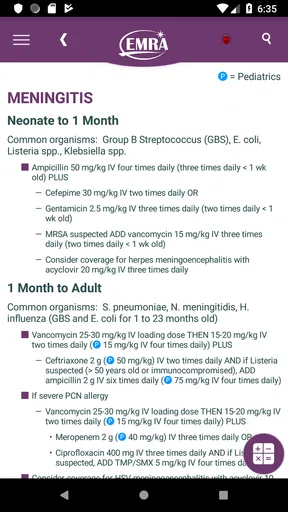
Let’s start with the basics. EMRA MobilEM is like having a seasoned ER doctor in your pocket. The app is designed to be a comprehensive resource for emergency medicine, offering quick access to critical information when you need it most. And trust me, in a field where every second counts, this can be a real lifesaver.
Interface and Usability
Opening the app for the first time, I was pleasantly surprised by its clean and intuitive interface. The developers have done a stellar job of making it user-friendly, even for those who might not be the most tech-savvy. Everything is clearly labeled, and navigation is a breeze. You can easily jump from one section to another without getting lost in a maze of menus.
Features That Stand Out
What really sets EMRA MobilEM apart are its features. The app offers a wealth of information, including:
- Evidence-based guidelines for various medical emergencies.
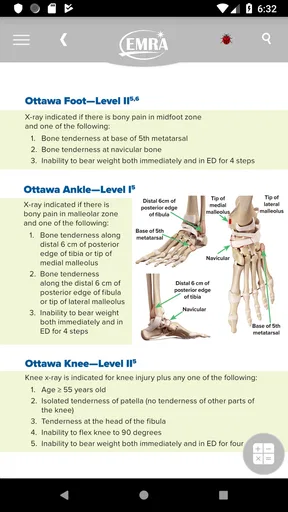
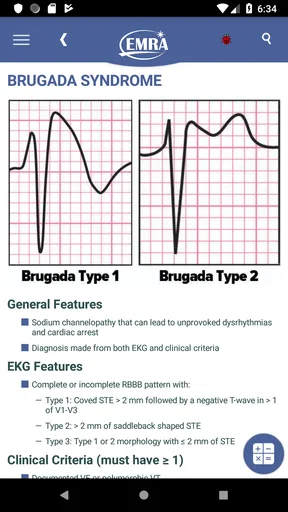
- Diagnostic tools that help in assessing patient conditions swiftly.
- An extensive list of medications complete with dosing information and potential interactions.
- Access to procedure videos which are a fantastic visual aid for medical professionals.
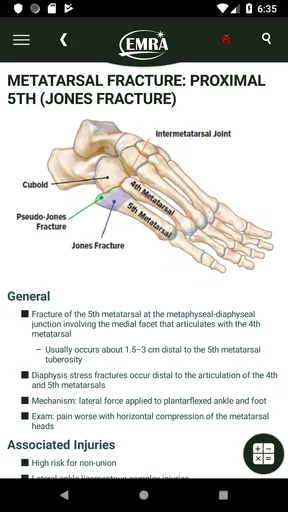
Each section is packed with detailed information, yet it’s presented in a way that’s easy to digest even during the most hectic shifts.
Reliability and Updates
One of the things I appreciate about EMRA MobilEM is its commitment to staying current. The app is regularly updated with the latest medical guidelines and research, ensuring that users have access to the most recent and relevant information. This is crucial in a field that’s constantly evolving.
Who Can Benefit?
While the app is primarily geared towards emergency medicine professionals, it’s also a valuable tool for medical students, nurses, and even paramedics looking to enhance their knowledge and skills. The app’s straightforward language and practical tips make it accessible to a broad audience.
Final Thoughts
In conclusion, EMRA MobilEM is a powerhouse of a medical app. It combines reliability, ease of use, and a wealth of information in one neat package. Whether you’re in the ER, at home, or on the go, having this app at your fingertips can make a world of difference. So, if you haven’t already, give it a whirl and see how it can enhance your practice. Happy diagnosing!
Verdict
Strengths of EMRA MobilEM
- Comprehensive emergency medicine resource.
- User-friendly interface and navigation.
- Regular updates with latest protocols.
- Offline access for quick reference.
- Includes detailed treatment guidelines.
Limitations of EMRA MobilEM
- Requires account for full access.
- Limited features in free version.
- Some content is text-heavy.
- Occasional app crashes reported.
- May not cover all specialties.
Other Releases by Emergency Medicine Residents' Association
View All
EMRA Antibiotic Guide
Medical2.4
Similar Picks in This Category
View All
WebMD: Symptom Checker
WebMD, LLC4.1

Microphone Amplifier
DOSA Apps4.2

Anatomy Learning - 3D Anatomy
3D Medical OU4.5

Period Tracker and Calendar
SimpleInnovation4.9

GoodRx: Prescription Coupons
GoodRx4.8

CVS Health
CVS Pharmacy4.5
Frequently Asked Questions
What is EMRA MobilEM, and who is it for?
EMRA MobilEM is a comprehensive mobile application designed for emergency medicine professionals. It offers a wealth of resources, including clinical guidelines, drug reference, procedure videos, and more. It's particularly useful for emergency physicians, residents, and medical students looking for quick, reliable information during clinical practice.
Is EMRA MobilEM available for both Android and iOS devices?
Yes, EMRA MobilEM is available for download on both Android and iOS platforms. Users can find it on the Google Play Store for Android devices and the Apple App Store for iOS devices. This ensures accessibility for a wide range of users across different mobile operating systems.
What are the key features of EMRA MobilEM?
EMRA MobilEM offers several key features such as up-to-date clinical guidelines, medication dosing calculators, procedure guides, and decision support tools. It also includes educational videos and allows for offline access, making it an essential tool for emergency medicine professionals in fast-paced environments.
Is an internet connection required to use EMRA MobilEM?
While an internet connection is required for the initial download and updates, EMRA MobilEM offers offline access to most of its content. This is particularly useful in emergency settings where internet connectivity may be limited or unavailable, ensuring that vital information is always at hand.
Does EMRA MobilEM have any subscription fees or in-app purchases?
EMRA MobilEM may have a subscription fee or offer in-app purchases to access certain premium features. It’s recommended to check the app’s listing on the respective app store for current pricing details and any available subscription plans to ensure you understand the cost before downloading.
